What Does Dignified Work Actually Look Like? by Janet
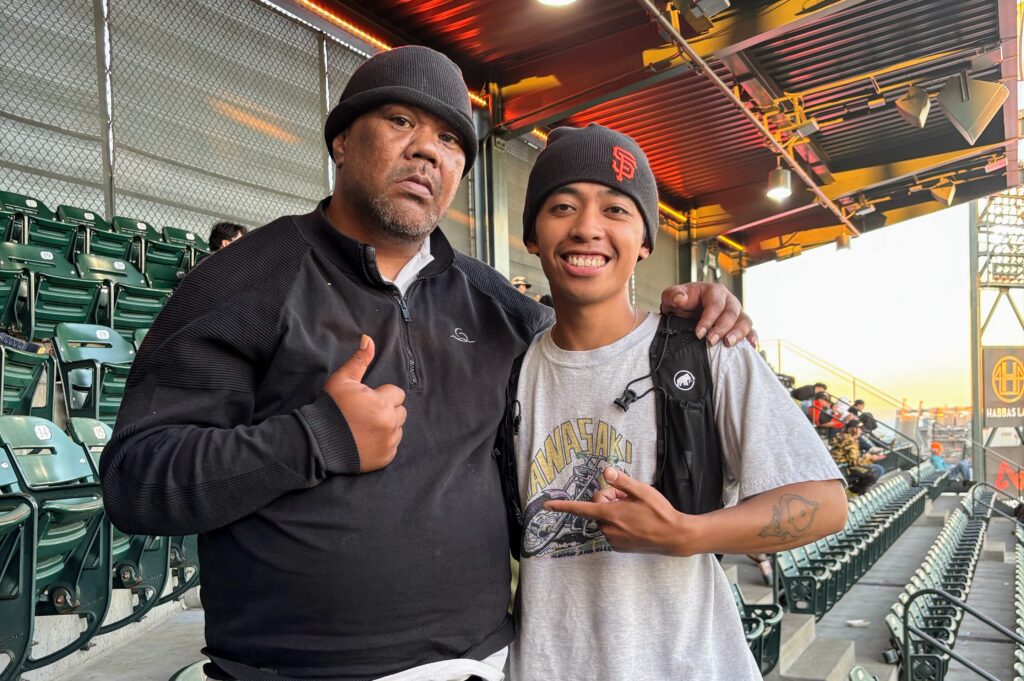
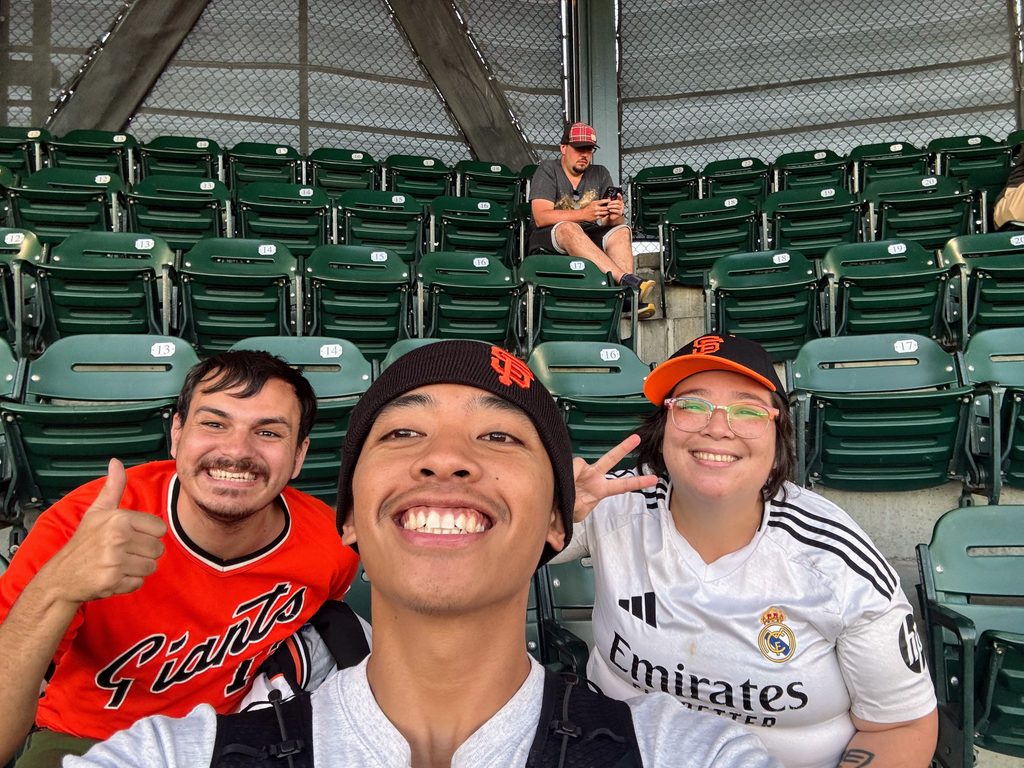
Last month Aspire House celebrated Labor Day by going to the Giant’s game, but the historic basis for the holiday was born from struggle. In the late 1800s, American workers fought, and sometimes died, for basic dignity on the job: reasonable hours, safe conditions, the right to be treated as a person and not just a source of labor. The first Labor Day parade in 1882 was a demand to be seen. That fight for dignity didn’t end with the labor movement of the 19th century. It continues today, in different forms, for people whose right to meaningful work is still too often treated as an afterthought.
When the Americans with Disabilities Act passed in 1990, it was a landmark moment. People with disabilities, including serious mental illness, could no longer be turned away from a job just because of who they are. But for many of our members, the law hasn’t been enough. If members earn a little too much, they can lose the health coverage or income they count on. Stigma at work and inflexible jobs make the road back harder than the law makes it sound.
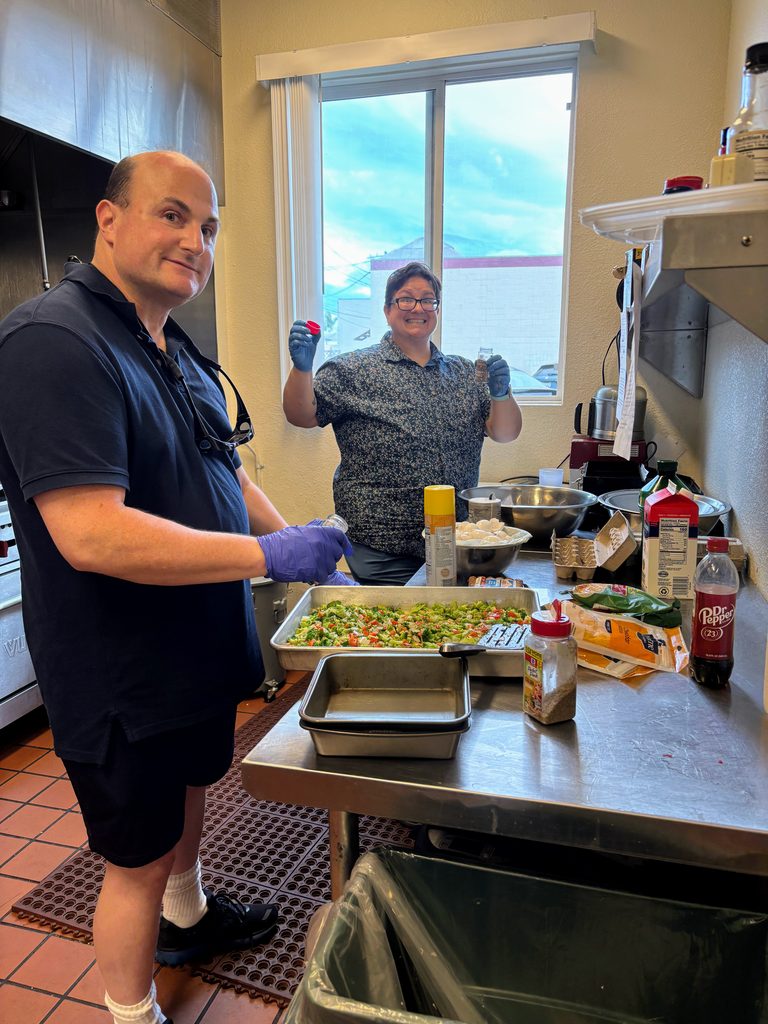
At Aspire House, we believe in a different starting point. Our Work Ordered Day lets members and staff work side by side as equals, no hierarchy, no diagnosis defining what you’re capable of. It’s a real, valued contribution, built around each person’s actual skills and interests, at a pace that respects where they are.
The systems that help people with disabilities and mental illness find work were never designed around dignity. We want to do better. Here, members’ skills count as strengths, and the aim is steady work that treats them with respect.
This Labor Day, we’re grateful for every member finding their way back to meaningful work, and we’re committed to being the kind of place that makes that possible.